











Hormones and Rehoming Parrots

Parrots are full of love 300x300 Hormones and Rehoming Parrots

Virtually any rehomed parrot can be trained to be a great addition to the family.

Do Hormones Contribute to Rehoming Parrots?


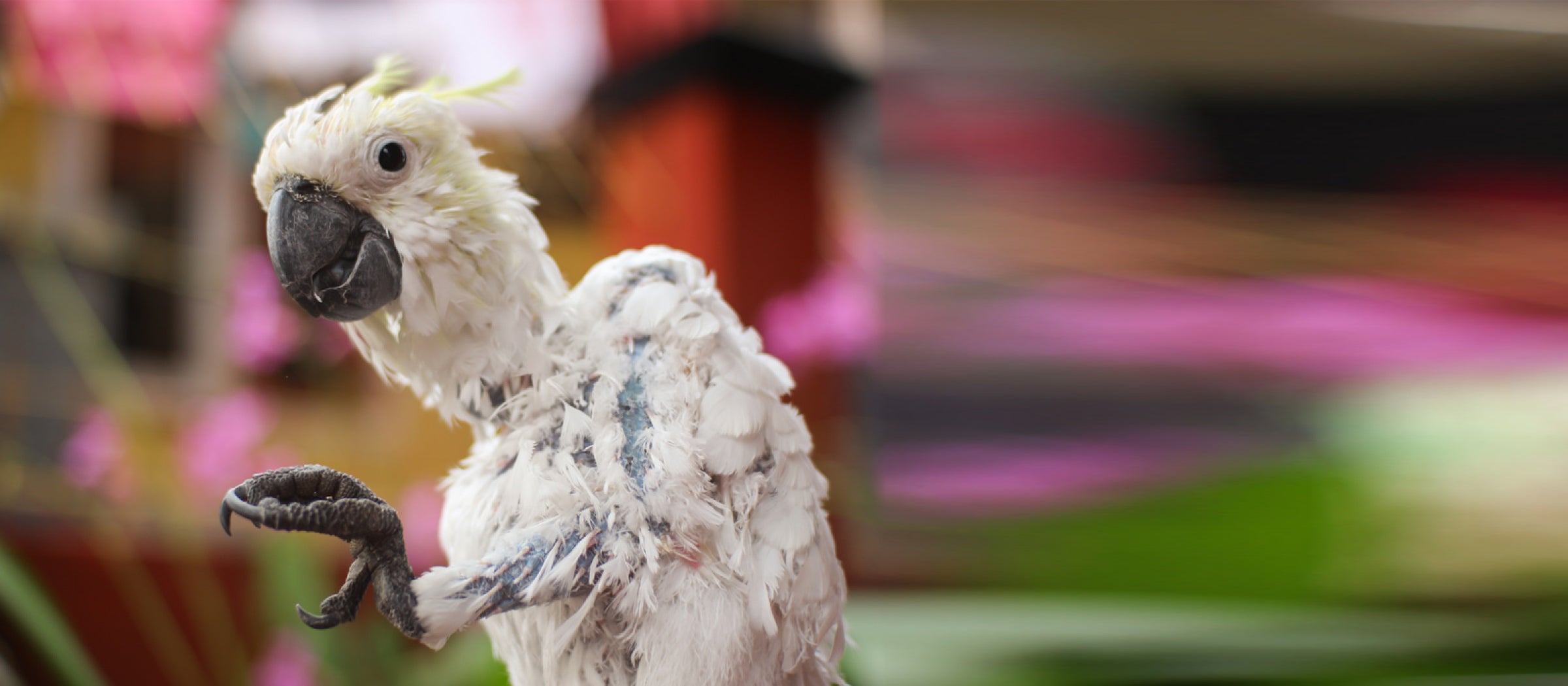
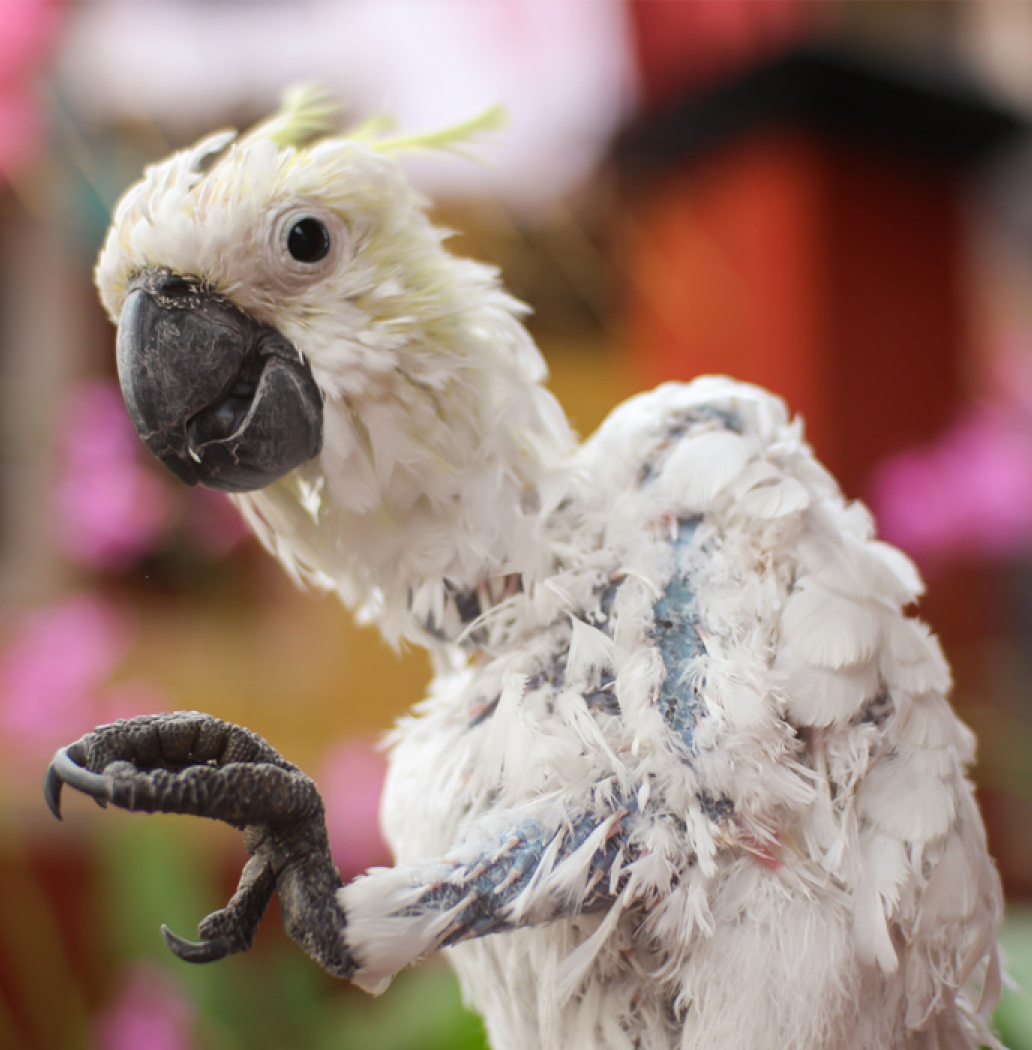
Parrots, like any pet, will mature and develop hormonal or seasonal behaviors.  Hormonal parrots strut, flat back and become more temperamental.  They are more territorial than usual, too, making the parrot difficult to handle.  Do hormones contribute to rehoming parrots or placing them for adoption?

Most women can attest that hormones play havoc with moods.  Parrots, thankfully, experience hormonal behavior only once or possibly twice a year.  The hormonal behavior lasts several weeks at a time and are associated with the seasonality of daylight.  It is easy to forget during difficult weeks that the rest of the year a parrot is not hormonal.  Usually a parrot behaves according to the training and relationship it has established with it’s family.

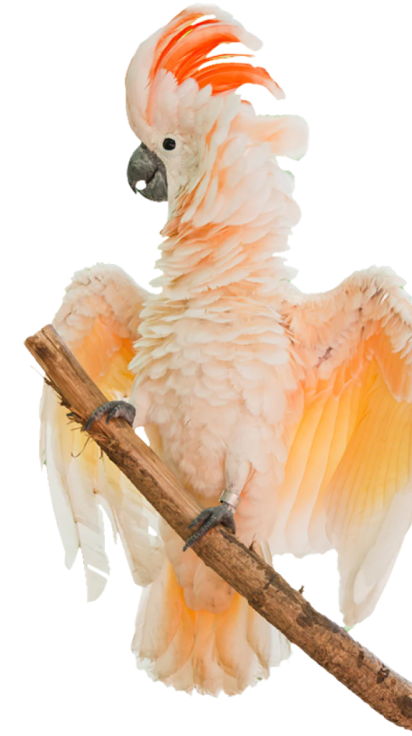
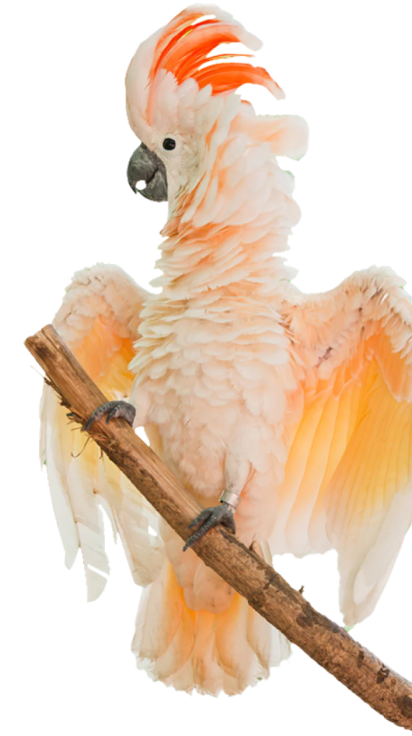
With several pet birds, I experience parrot hormonal behavior every year.  The only time I’ve ever been bitten has been during seasonal hormonal behavior.  Smokey, my Congo African Grey bites quickly and what seems to be less predictably.  He breaks the skin when he bites.  Peachy, my Moluccan Cockatoo bites less than once a year when he is hormonal and his bites leave a bruise.  Learning how to read my parrots body language has been incredibly helpful.  As an inexperienced” parrot newby,” I was bit several times a year.  Now, I’m only bit once or twice a year total between my 7 parrots!

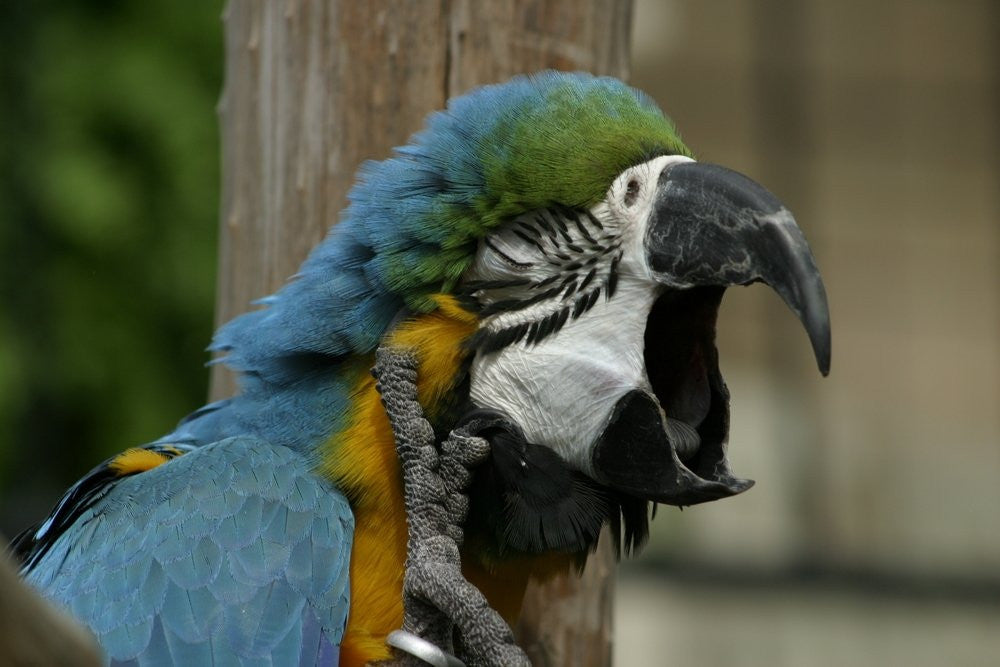
The screaming, destruction and biting that hormonal parrots engage in may result in rehoming parrots.  These behaviors are really irritating.  You may not be able to change your hormonal parrots agitation but you can manage it.  Learn to read hormonal behavior and train your bird to be gentle the rest of the year.

How do you know your bird is hormonal?

  • Your bird tries to regurgitate as a sign of love.
  • Your bird pants while crouching with a lowered head and wings dropped.
  • Your bird shreds soft materials like paper and leafy bird toys in its drive to make a nest.
  • You find your bird seeking out dark, confined spaces as though it were wanting to nest.
  • Your bird lashes out realizing that you are not a “real” mate.”
  • Your bird rubs it vent in effort to relieve stress of sexual desire.

If your bird is displaying these behaviors in late winter or early spring and it is of age, you can bet that it is hormonal.  Seasonal hormones are temporary and not a reason for rehoming parrots.   If you are experiencing this situation and fearful of your bird,  I suggest that you learn to read parrot body language and initiate bird training as soon as possible.

But, how about those parrots that have already been placed in a shelter?  These birds are perfectly capable of integrating into a home where they are loved.  Respectable parrot shelters train you on how to bond with a parrot.  Just because a parrot has been relinquished doesn’t mean it will be a temperamental or aggressive pet.  On the contrary!  Rehoming is usually the human at fault.  Parrot adoptions from a shelter are a successful match for both you and the parrot in need of a forever home.

Click here to submit your review.


Submit your review
* Required Field

Blog.birdsupplies.com
3555 Cranswood Way Colorado SpringsCO80918 USA 
 • 7196500812
0
pixel Hormones and Rehoming Parrots0
  

No comments yet.

Leave a Reply

SafeSubscribe with Constant Contact
For Email Newsletters you can trust